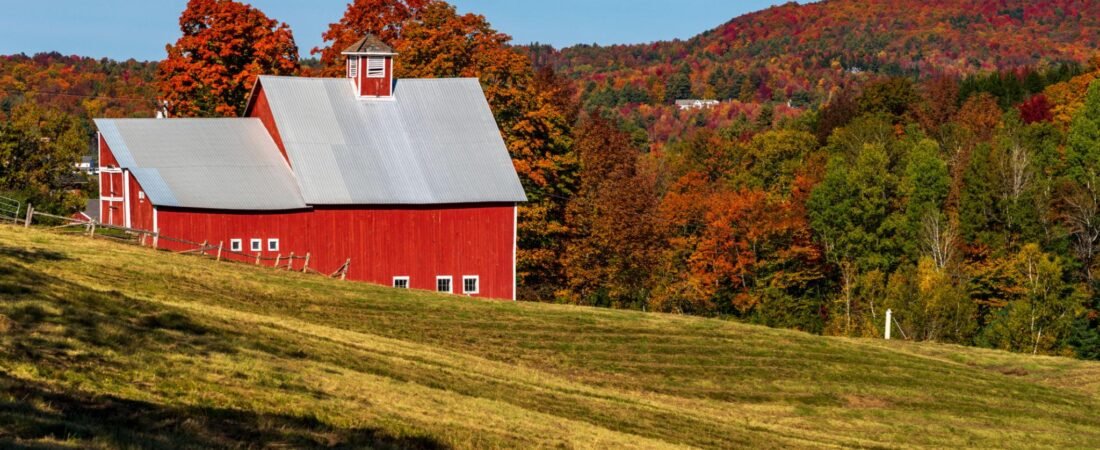
If you own a few acres, a barn, a garage, or even a small hobby farm, fall has a way of reminding you just how much there is to get done before winter.
The good news is that a little work now can prevent a lot of headaches once freezing temperatures, snow, and short days arrive. From cleaning up leaves and preparing firewood to checking the generator and getting the barn ready for cold weather, these are the fall projects worth tackling before winter settles in.
This isn’t a checklist for a perfectly manicured property. It’s a practical list for people who actually use their acreage—and want their equipment, buildings, and property ready for whatever winter brings.
This article contains affiliate links. As an Amazon Associate, The Practical Acre earns from qualifying purchases at no additional cost to you.
1. Clean Up Leaves and Keep Drainage Moving
Leaves are more than just a cleanup job when you have some acreage. They collect around buildings, clog gutters, cover drainage areas, pile up along fences, and somehow always end up exactly where you don’t want them.
I like to stay ahead of them rather than waiting until every leaf is down. A good backpack or high-powered cordless blower can make a huge difference, especially around the barn, garage, driveway, gutters, and other areas where leaves tend to pile up.
While you’re at it, check your gutters, downspouts, culverts, and drainage paths. Make sure water has somewhere to go before the ground freezes. A drainage problem that is annoying during a fall rain can become a much bigger problem once freezing temperatures arrive.
For larger properties, a good cordless or backpack leaf blower can save a tremendous amount of time compared with trying to rake everything
Practical Acre Tip: Don’t worry about making the entire property spotless. Focus first on keeping leaves away from buildings and making sure your drainage routes stay open.
2. Get Your Firewood Ready Before You Need It
If you burn wood in the house, garage, barn, or around the fire pit, fall is the time to get your firewood situation squared away. Waiting until the first really cold weekend usually means doing the same job with frozen ground, wet wood, and numb fingers.
Take inventory of what you have, split anything that still needs attention, and move seasoned wood somewhere that’s easy to access during winter. Keep it elevated off the ground and covered from rain and snow while still allowing enough airflow for the wood to stay dry.
This is also a good time to inspect your chainsaw, sharpen or replace the chain, top off bar oil, and make sure your splitting tools are ready to go. A sturdy outdoor wood rack can also make a big difference compared with stacking firewood directly on the ground.
Practical Acre Tip: Keep a smaller supply of dry firewood close to where you’ll actually use it. You’ll appreciate not having to hike across the property for wood when it’s 15 degrees and snowing.
3. Service Your Generator Before You Need It
A generator is one of those pieces of equipment that’s easy to forget about—until the power goes out.
Before winter, start it up and let it run long enough to make sure everything is working properly. Check the oil, inspect the air filter, look over extension cords and connections, and make sure you have fresh fuel available. If your generator has been sitting for months, this is also a good time to check the battery on electric-start models.
Think about where you’ll operate it during bad weather, too. A generator should always run outdoors and well away from doors, windows, and other openings—never inside a house, garage, or barn.
Practical Acre Tip: Don’t wait for the first winter outage to discover that your generator won’t start. A 10-minute test run on a nice fall afternoon can save you a major headache later.
4. Get Your Barn and Garage Ready for Cold Weather
Fall is a good time to walk through the barn, garage, and other outbuildings before freezing temperatures arrive.
Check doors and windows for gaps, look for damaged weather stripping, and make sure anything that shouldn’t freeze is moved or protected. Drain hoses, disconnect outdoor water lines where necessary, and put summer equipment away clean and dry.
This is also a great time to improve lighting. Winter means a lot more projects get done after dark, and good LED shop lights can completely change how usable a garage or barn feels. I use 5,500-lumen lights in my garage and 20,000-lumen lights in my barn, and both have been game changers in areas where I do a lot of work.
5,500-lumen lights in my garage
20,000-lumen lights in my barn
Practical Acre Tip: Before winter, spend 15 minutes walking through each outbuilding with a flashlight. Look up, down, and around doors—you’ll often spot roof leaks, rodent entry points, drafts, and other small problems that are much easier to fix now than in January.
5. Prep Your ATV, UTV, Mower, and Small Engines
Your outdoor equipment worked hard all summer, and a little attention now can make spring a lot easier.
Clean grass, mud, and debris from mowers, ATVs, UTVs, and other equipment before putting anything away for an extended period. Check oil levels, grease fittings, tire pressure, belts, and batteries. For seasonal equipment, follow the manufacturer’s recommendations for fuel storage and winterization.
Don’t forget smaller equipment like trimmers, chainsaws, blowers, and pressure washers. A few minutes spent cleaning and organizing them now can prevent you from finding a dead battery, stale fuel, or damaged equipment when you need it again.
Practical Acre Tip: Fall is also a great time to organize your battery-powered tools. Charge batteries as recommended by the manufacturer and store them somewhere protected from extreme temperatures rather than leaving them forgotten in an unheated shed all winter.
6. Prepare Outdoor Water Lines, Hoses, and Faucets
Water and freezing temperatures are a bad combination, so anything carrying water around the property deserves attention before winter.
Disconnect garden hoses, drain them completely, and store them where they won’t be damaged. Shut down and drain seasonal water lines, sprinklers, livestock watering equipment, and other systems that aren’t designed to operate through freezing weather.
Check outdoor faucets for leaks and make sure frost-free hydrants and spigots are working correctly. A small amount of trapped water can turn into a surprisingly expensive repair once temperatures drop.
If you keep animals through the winter, now is also the time to make sure heated waterers or de-icers are clean, functioning, and safely connected.
Practical Acre Tip: Don’t just coil up a hose and toss it in the barn. Drain it completely first. Getting the water out now can mean the difference between using the same hose next spring and buying another one.
7. Get Your Firewood Area Ready
If you heat with wood or simply enjoy a fire pit during the colder months, fall is the time to get your firewood situation organized.
Move seasoned wood somewhere convenient before snow and mud make access more difficult. Keep it stacked off the ground and allow plenty of airflow around the pile. A covered wood rack works well because it protects the top of the stack while leaving the sides open for ventilation.
This is also a good time to inspect your chainsaw, sharpen or replace the chain if needed, and make sure you have bar oil and other supplies on hand. If you still have trees or limbs to process, getting that work done during cool fall weather beats doing it in January.
A covered wood rack works well because it protects the top of the stack while leaving the sides open for ventilation.
Practical Acre Tip: Keep your main woodpile away from the house and bring in only what you expect to use soon. Firewood can provide a great winter home for insects and rodents—and you probably don’t want to invite either one inside.
8. Prepare Your Pond and Aeration System for Winter
If you have a pond on your property, fall is a good time to give it some attention before ice arrives.
Remove excessive leaves and debris from around the shoreline and keep an eye on anything that could end up decomposing in the water. If you use an aeration system, inspect the compressor, air lines, diffusers, and connections so you know everything is operating properly.
Winter aeration can help maintain an opening in the ice and allow gases to escape, but winter operation may require a different setup than summer aeration. Follow the recommendations for your particular system, especially regarding diffuser placement and cold-weather operation.
Also remove or properly store any pumps, fountains, hoses, or other pond equipment that isn’t designed to remain outside through freezing temperatures.
Practical Acre Tip: Don’t wait until the pond is covered with ice to think about your aerator. Fall is the time to inspect the system, clean components, and decide how you’ll operate it through the winter.
9. Get Chicken Coops and Animal Areas Ready for Cold Weather
If you keep chickens or other small livestock, fall is the time to make their shelter winter-ready.
Inspect the coop or shelter for roof leaks, damaged siding, loose hardware, and places where wind or moisture can get inside. Good ventilation is still important during winter, so the goal isn’t to seal everything airtight—it’s to eliminate drafts around the animals while allowing moisture to escape.
Clean out bedding, check feeders and waterers, and make sure you’ll have an easy way to provide fresh water once freezing temperatures arrive. Heated waterers or poultry-safe water heaters can make daily chores much easier during a Michigan winter.
This is also a good time to stock up on bedding, feed, and other supplies so you’re not scrambling for them during the first major snowstorm.
Practical Acre Tip: Pay special attention to feed storage. A sealed, rodent-resistant container in the barn or coop area can save you from discovering that mice found your winter feed supply before you did.
10. Check Exterior Lighting Before the Days Get Short
Once fall arrives, it doesn’t take long before you’re doing chores in the dark.
Walk around the house, barn, garage, driveway, and other work areas after sunset and look for places that could use better lighting. Replace burned-out bulbs, clean dirty fixtures, and check motion lights to make sure their sensors are working properly.
Good exterior lighting isn’t just about convenience. It makes it easier to move equipment, carry firewood, check animals, work around the barn, and see icy or uneven areas during the winter.
Solar lights can work well in areas where running electricity isn’t practical, while high-output LED fixtures are a great option around buildings where power is already available.
Practical Acre Tip: Do your lighting inspection after dark instead of during the day. You’ll immediately notice the blind spots you never realized were there—and those are usually the exact places where you’ll eventually need light.
11. Walk Your Property and Look for Problem Trees and Limbs
Fall is a good time to take a slow walk around the property and look up.
Check trees near the house, barn, driveway, power lines, fences, and other areas you regularly use. Look for dead limbs, damaged branches, leaning trees, or anything else that could become a problem once winter wind, snow, and ice arrive.
You don’t necessarily need to remove every dead tree on an acreage. In wooded areas, they can provide valuable wildlife habitat. The priority should be trees and limbs that could damage buildings, vehicles, fences, or create a safety hazard.
For smaller cleanup jobs, a good chainsaw, pole saw, or pruning saw can make quick work of manageable limbs. Larger or questionable trees—especially those near buildings or power lines—are better left to a professional.
Practical Acre Tip: Take this walk on a windy fall day. Movement in the canopy can make loose or damaged limbs much easier to spot than they are on a perfectly calm afternoon.
12. Do One Final Property Walk Before the First Freeze
Once you’ve handled the bigger fall projects, take one final walk around the entire property.
Look for anything you won’t want to deal with once snow is on the ground. Put away tools, extension cords, hoses, lawn furniture, and anything else that could get buried or damaged. Check gates, fences, sheds, trailers, and equipment that will remain outside.
Move snow-removal equipment somewhere accessible and make sure your snowblower, tractor, ATV, or UTV is ready to go. Stock up on ice melt, fuel, and other winter supplies before everyone else is looking for them after the first major storm.
This is also the perfect time to simply look around and ask yourself: “What am I going to wish I had taken care of when it’s 20 degrees and snowing?”
Take care of those things now.
Practical Acre Tip: Keep a running fall checklist on your phone. Every property is different, and after a few seasons you’ll have your own personalized winter-prep routine that gets easier every year.
Final Thoughts: A Little Fall Work Pays Off All Winter
Owning a few acres means there’s always another project waiting. You’ll probably never get everything crossed off the list—and that’s part of the deal.
The goal isn’t to have a perfect property before winter. It’s to take care of the jobs that become harder, more expensive, or simply miserable once the temperature drops and the snow starts flying.
Pick away at these projects over a few fall weekends, prioritize the things that matter most on your property, and make sure the equipment you depend on is ready when you need it.
At The Practical Acre, that’s what we’re all about: practical projects, useful gear, and real-world ideas for making life on a little bit of land easier.
Have a fall project that’s always on your list? Share it with us on The Practical Acre Facebook page. We’re always looking for ideas that other acreage and hobby-farm owners can put to use.