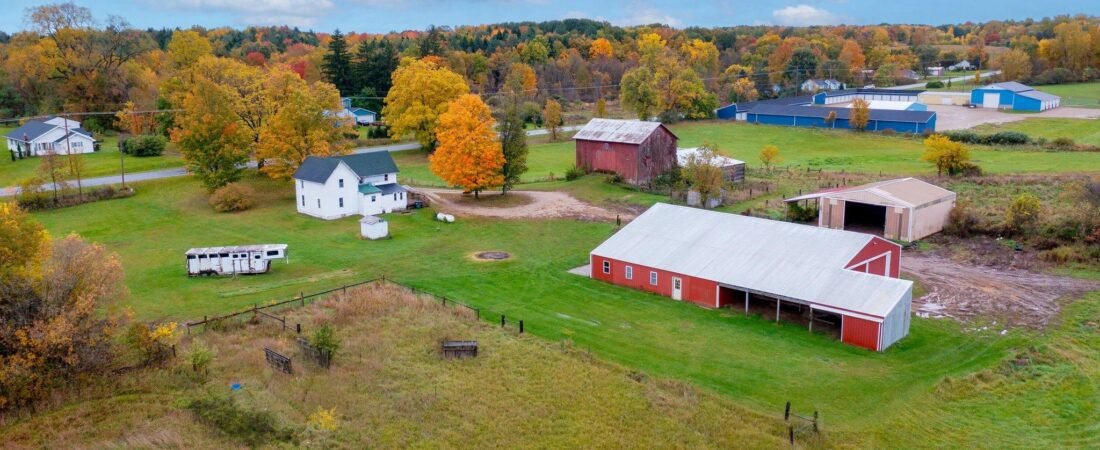
Fall is one of my favorite times of year around the property. The humidity finally backs off, hunting season is getting close, the leaves start changing, and working outside gets a whole lot more enjoyable.
But fall also comes with a deadline.
Once that first hard freeze arrives, a five-minute job in September can turn into a broken fitting, dead battery, frozen water line or miserable repair in December.
Whether you have seven acres or seventy, chickens or no livestock at all, there are a handful of things worth checking every fall.
Here are 15 things to do around your hobby farm before winter settles in.
Affiliate Disclosure: The Practical Acre participates in the Amazon Associates Program. As an Amazon Associate, we earn from qualifying purchases. If you purchase through links in this article, we may earn a commission at no additional cost to you.
1. Walk the Property and Check Your Drainage
Start with something simple: take a walk after a good rain.
Look around your gutters, downspouts, culverts, driveways, barn entrances and any low spots around buildings. Fall leaves can quickly plug drainage systems that worked perfectly all summer.
Pay particular attention to places where water is running toward a barn, garage or foundation instead of away from it.
A few things worth checking:
- Gutters and downspouts
- Underground downspout drains
- Culverts
- Catch basins
- French drains
- Drain tile outlets
- Driveway washouts
- Low areas around barns and sheds
Water problems don’t usually get better when the ground freezes.
Fixing a plugged drain or extending a downspout now can save a much bigger headache later.
2. Give the Barn and Outbuildings a Once-Over
You don’t need a professional inspection. Just look closely.
Check the roof for loose panels or shingles. Look at siding, doors, windows and weather stripping. Make sure sliding doors still move freely and overhead doors seal reasonably well.
Inside, look for evidence of water leaks or rodents.
This is also a great time to check:
- Door seals
- Window seals
- Roof penetrations
- Vents
- Exhaust fans
- Lighting
- Extension cords
- Electrical outlets
Cold weather has a way of exposing every weakness in an outbuilding.
3. Service the Equipment Before You Park It
It’s tempting to finish the last mowing job, park the mower and forget about it until spring.
Don’t.
Your mower, tractor, ATV, UTV, tiller, splitter and other small-engine equipment will appreciate a little attention before sitting for months.
Depending on the equipment, consider checking:
- Engine oil
- Air filter
- Fuel filter
- Spark plug
- Hydraulic fluid
- Grease fittings
- Tire pressure
- Belts
- Blades
- Battery
- Coolant
Clean off grass, mud and debris before putting equipment away.
This is also one of the best times to grease everything. A cordless grease gun isn’t mandatory, but once you’ve used one around tractors, trailers and equipment, it’s pretty hard to go back.
4. Deal With Old Fuel
Gasoline sitting around for months can cause problems.
If you’re storing equipment with fuel in it, follow the manufacturer’s recommendations and consider using a quality fuel stabilizer where appropriate.
Don’t forget the gas cans themselves.
Take inventory of what you have and label cans if necessary. Make sure caps seal correctly and replace any old or damaged containers.
This is also a good time to decide what fuel you’ll need on hand for the generator, snowblower and other winter equipment.
5. Put Your Batteries on a Plan
Few things are more annoying than needing a tractor, ATV or mower and hearing nothing but click-click-click.
Cold weather is hard on batteries.
If something won’t be used regularly, consider connecting an appropriate battery maintainer. Check terminals for corrosion and make sure the battery itself isn’t damaged.
Think beyond the tractor. You may have batteries in:
- ATV
- UTV
- Riding mower
- Tractor
- Motorcycle
- Generator
- Trailer
- Boat
- Spare equipment
One decent battery maintainer can be cheap insurance.
6. Drain the Hoses and Winterize Water Systems
This is one of those jobs that’s incredibly easy to forget.
Disconnect garden hoses, drain them and store them where they won’t sit full of water.
Then look at the rest of your water system.
That might include:
- Outdoor faucets
- Irrigation lines
- Drip irrigation
- Pond equipment
- Sprayers
- Pressure washers
- Pumps
- Water tanks
Anything that traps water can potentially freeze.
A little preparation now can prevent cracked pumps, fittings and hoses in spring.
7. Get the Chicken Coop Ready for Cold Weather
If you keep chickens, fall is a great time to give the coop a thorough inspection.
Check the roof for leaks, inspect the run and make sure predators haven’t found a weak spot in the fencing or hardware cloth.
Make sure ventilation is working properly without creating a direct draft across the birds.
Also think ahead about water.
A frozen chicken waterer gets old very quickly.
Depending on your setup, a heated poultry waterer or water-heating base can make winter chores considerably easier.
Fall is also a good time to stock up on:
- Bedding
- Feed
- Feed-storage containers
- Oyster shell
- Grit
- Replacement feeder/waterer parts
You don’t want to discover you’re out during a snowstorm.
8. Check Fences and Gates
Walk your fence line while the weather is still decent.
Look for leaning posts, broken wires, loose hardware and gates that are starting to sag.
If you use electric fencing, test it.
Also look for tree limbs that could come down across a fence during a winter storm.
A ten-minute repair in September beats repairing a fence in six inches of snow.
9. Get Serious About Firewood
If you heat with wood—or simply enjoy having a fire pit—now is the time to get organized.
Split what still needs splitting and get the wood stacked where air can circulate around it.
Keep firewood off the ground when possible and protect the top from rain and snow while allowing the sides to breathe.
This is where a good firewood rack earns its keep.
Other useful fall firewood gear includes:
- Log splitter
- Chainsaw
- Spare chains
- Chainsaw sharpener
- Bar and chain oil
- Splitting maul
- Felling wedges
- Moisture meter
- Log carrier
And don’t wait until the first 30-degree Saturday to discover your chainsaw won’t start.
10. Test the Generator Before You Need It
If you own a generator, don’t assume it’s ready because it worked last winter.
Start it. Let it run.
Check the oil and fuel situation. Inspect extension cords and connections. If your setup uses a transfer switch or generator inlet, make sure you understand how everything works before an outage.
Think about what actually needs power.
For many hobby farms that could include:
- Well pump
- Freezer
- Refrigerator
- Furnace
- Barn equipment
- Poultry or livestock water systems
- Lights
- Internet equipment
A generator is one of those pieces of equipment you hope you don’t need—but when you do need it, you really need it.
11. Prepare Your Snow Equipment Now
The first significant snowfall is a terrible time to find out the snowblower has a problem.
Start it now.
If you use an ATV, UTV or tractor-mounted plow, install or inspect the mounting hardware before you’re lying on frozen concrete trying to figure it out.
Check:
- Belts
- Skid shoes
- Cutting edges
- Shear pins
- Tire chains
- Hydraulic connections
- Winch cable
- Snowblower oil
- Spare parts
And buy the ice melt before everybody else decides they need it.
12. Organize the Barn or Garage
This one isn’t strictly winterization, but fall is the perfect time to do it.
Once winter arrives, you’re going to spend a lot more time working inside.
Get the summer clutter out of the way.
Hang up the shovels, rakes and trimmers. Organi